
Innovations for Regenerative Agriculture
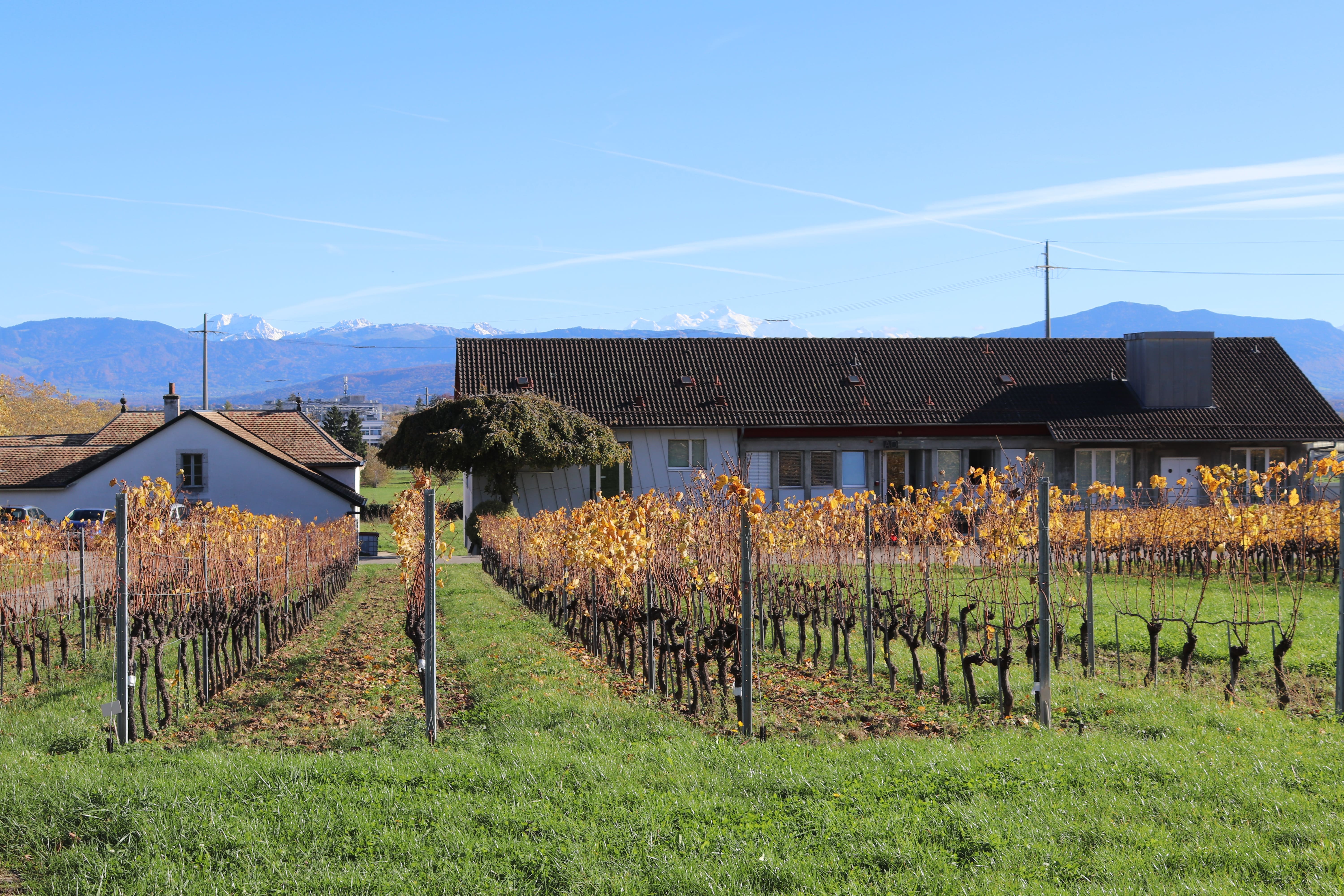
SAVE THE DATE - the forum on Innovations for Regenerative Agriculture & Viticulture is back for year 2, in collaboration with Changins.
- More information will follow in the coming months.
Theme:
Harnessing Soil Health and Biodiversity for Resilience and Value Creation
This event will spotlight innovative startup solutions and pilot projects accelerating the transition to regenerative agriculture.
It will also ignite discussions on the financial, regulatory, and infrastructural shifts required to scale these innovations and align stakeholders around shared economic and environmental goals.
✨ What to expect:
- Showcases from leading agritech startups and labs
- Presentation of pilot projects outcomes
- Themed workshops and roundtable discussions with multidisciplinary experts exploring key innovations and structural changes needed for the transition to regenerative agriculture
- Networking apéritif in a relaxed, scenic setting
👤 Who Should Attend
- Startups developing innovations for regenerative agriculture
- Farmers and agricultural practitioners
- Researchers and academic institutions
- SMEs and corporate leaders
- Policymakers and public institutions
- Investors and ecosystem partners
- NGOs and value chain stakeholders
📅 Agenda & Speakers: (More details coming soon...)
________________________________________________________________________________________________
13:30 | Doors Open & Registration
________________________________________________________________________________________________
14:00 | Introductory remarks and Keynote speech

|
Marc Schmid
Director of Changins |
|

|
Bertrand Klaiber Program lead, Tech4Regen, EPFL Innovation Park |
- To be announced
— ...
________________________________________________________________________________________________
14:45 — 18:00 | Exhibition of Startups and Innovations
- Startup exhibition (see below)
________________________________________________________________________________________________
14:45 — 16:45 | Workshops
Limited number of places; participation is subject to confirmation of registration
Workshop 1:
- Advances in measuring Soil Biology for Precision Agriculture | Technologies pour mesurer la biologie des sols afin d’optimiserles intrants et qualité des récoltes
— Moderator:- Hélène Iven, CEO & co-founder of DigitSoil
Workshop 2:
- The regenerative transition: a year on the ground, lessons, and where startups come in
— Moderator:- Edmond de Rothschild Systemic Regeneration
Workshop 3:
- Technologies digitales pour centraliser, gérer et valoriser les données mesurées entre différents sites et outils de monitoring —et adapter les pratiques viticoles face au changement climatique et à la pression des maladies
- Moderateur et intervenants: Fred Fournier, CEO & Co-founder, Open Forest Protocol
- Description: Face à l’augmentation des gels tardifs, des sécheresses et de la pression des maladies, les viticulteurs suisses doivent adapter leurs méthodes en permanence. Une plateforme comme NatureGrid centralise toutes les données du domaine pour mesurer l'efficience et la performance de ces changements de pratiques.
- Centralisation des données : connecte vos outils spécialisés sur une seule interface. Par exemple, les données de stations météo et alertes maladies de Databaum, combinées aux mesures instantanées de l’activité biologique des sols de DigitSoil.
- Suivi simple des pratiques : Les équipes enregistrent directement sur le terrain (via une appli mobile hors-ligne) les actions concrètes : gestion de l'enherbement, types de travail du sol, traitements ou tout autre type d’activités.
- Mesure de performance et d'adaptation : En croisant les données scientifiques (capteurs et analyses de sol) avec les interventions réelles, la plateforme permet de valider ce qui fonctionne le mieux pour optimiser les rendements et sécuriser l'avenir des parcelles.
Workshop 4:
- Methods and Benefits of Biodiversity Monitoring, Verification and Reporting in agriculture // Mesure, vérification et reporting en matière de biodiversité : quels bénéfices pour l'agriculture?
Workshop 5:
- To be annonced
Workshop 6:
- To be annonced
________________________________________________________________________________________________
15:30 — 16:00 | Site visit
- Optionel: Visite de la cave ou du labo de Changins
________________________________________________________________________________________________
16:45 | Networking Cocktail 🥂
Continue the conversation during the networking cocktail at the Innovations Booth, where cutting-edge technologies in agriculture and viticulture are on display!
________________________________________________________________________________________________
🍇 Invitation-only event. In case of interest, please submit your application here:
registations are closed for now
🌿 Context & Challenges
The state of biodiversity in Switzerland is “unsatisfactory” and the situation keeps getting worse. Loss of biological diversity represents a serious danger to our prosperity and quality of life.
70% of the carbon footprint of our products is in agriculture.
says Eugenio Simioni, Nestlé Switzerland's CEO
Extractive, conventional agriculture is both a key driver of the environmental crisis and heavily reliant on natural resources and ecosystem services currently at risk. Regenerative agriculture provides an opportunity to decarbonize and address environmental impacts and risks across multiple planetary boundaries, helping lay the foundation for resilience in a resource-constrained future.
Approximately 35% of Swiss land is now used for agriculture. Converting land to agriculture fragments ecosystems, which negatively affects biodiversity. Additionally, agricultural runoff containing fertilizers and pesticides raises nitrogen and phosphorus levels in soils and waterways. (...)
Switzerland’s nature transition requires CHF 5.3 billion in annual investment until 2050. More than 25% of the total financing need relates to regenerative agriculture (CHF 1.4 billion per year).
Around 85% of the total investment is likely to require public funding, reflecting high public asset ownership and the low commercial viability of many interventions.
according to a study of Swiss Bankers Association (SBA) and Boston Consulting Group (BCG)
For investors in agrifood systems, business as usual is no longer viable. Evidence shows that the negative externalities of global agrifood systems outstrip the global market value of agricultural production by a ratio of two to one.
(...) 250-430 Billion dollars is the estimated annual funding gap required to transform conventional global food systems to regenerative practices over the next decade.
Report Financing for Regenerative Agriculture from the Rockfeller Foundation
More events
SAVE THE DATE - the forum on Innovations for Regenerative Agriculture & Viticulture is back for year 2, in collaboration with Changins.